




Essential Ram 1500 Lug Nut Torque Specifications You Need to Know
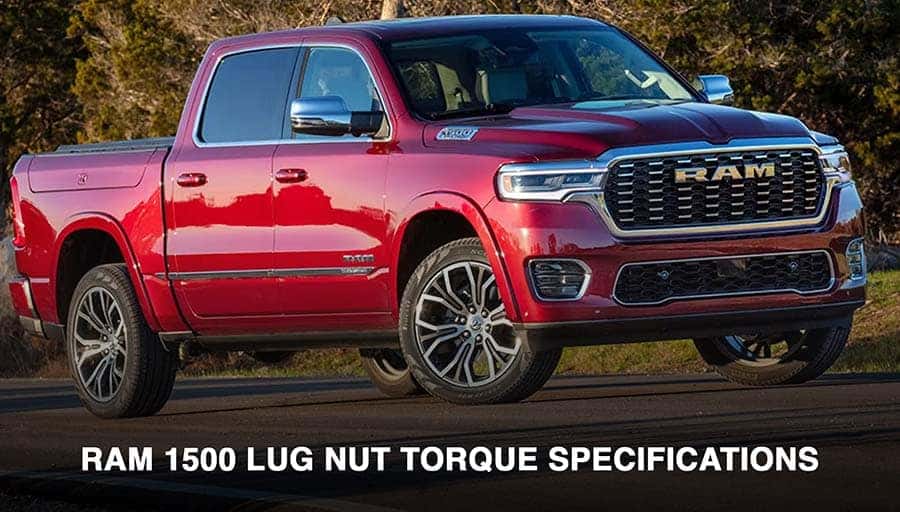
Let’s talk about something that doesn’t get enough attention but absolutely should: proper lug nut torque for your Ram 1500. It’s one of those maintenance items that’s easy to overlook, but getting it right makes all the difference for your safety and your truck’s health.
This isn’t just about checking another box on your maintenance checklist. Proper torque stands between you and potential wheel-related accidents or costly repairs down the road. Think about it – those lug nuts are all that’s keeping your wheels securely attached while you’re driving.
Whether you’re rotating tires, putting on new wheels, or just doing routine maintenance, knowing and using the correct torque specs for your Ram 1500 is very important. It’s the kind of detail that separates a safe, worry-free drive from a potentially dangerous situation.
Introduction to the Ram 1500
The Ram 1500 didn’t earn its place as one of North America’s favorite trucks by chance. It delivers an unbeatable combination of strength, comfort, and utility. But like any hardworking vehicle, it needs regular maintenance to keep performing its best.
One maintenance detail that doesn’t get enough attention? Proper lug nut torque. It might seem minor, but it’s actually one of the most important safety checks you can perform.
Understanding Lug Nut Torque
Lug nut torque refers to the exact amount of tightening force needed to keep your wheels securely attached. This number isn’t just a suggestion. It’s carefully calculated by engineers to provide the perfect balance between safety and component protection.
Cutting corners here can lead to serious problems:
- Too little torque risks loose wheels that could wobble or even detach
- Too much torque can damage studs, strip threads, or distort rotors
Both mistakes create safety hazards and expensive repair bills you’ll want to avoid.
Finding Your Truck’s Specifications
Always check your Ram 1500’s owner manual first for model-specific torque values. While this guide provides general recommendations, your exact year and configuration may have unique requirements.
A simple torque wrench check takes just minutes, but could prevent dangerous situations and costly repairs. That’s time well spent for any truck owner who values safety and reliability.
Remember: Proper torque today means safer driving tomorrow. Your Ram deserves that attention to detail.
Here’s a great video from Partzilla about the subject.
Understanding Torque Wrench
A torque wrench is the only tool that lets you apply precise, measured force to your lug nuts – measured in foot-pounds (ft-lbs) – unlike regular wrenches or impact guns that crank things tight. It’s the difference between guessing and knowing your wheels are properly secured, protecting both your safety and your truck’s components.
Choosing the Right Torque Wrench for Your Ram 1500
When it comes to properly torquing your lug nuts, having the right tool makes all the difference. Here are the three main types of torque wrenches you’ll encounter for truck maintenance:
- Click-type torque wrench: The most popular for automotive use, this tool makes an audible “click” when the preset torque value is reached.
- Beam-type torque wrench: Features a pointer that indicates the applied torque on a calibrated scale.
- Digital torque wrench: Provides precise electronic readings and often includes additional features like angle measurement.
For your Ram 1500, look for a 1/2-inch drive torque wrench that covers 100-150 ft-lbs – this range handles most Ram truck specifications perfectly.
One Critical Reminder:
Never use an impact gun for your final tightening. While great for removing lug nuts or doing initial tightening, impact tools can’t deliver the precise, consistent torque your wheels need. They often overtighten, risking damage to your wheel studs, threads, or even the wheels themselves.
A quality torque wrench is a small investment that pays off in safety and prevention of costly repairs. It’s the right tool for doing the job right.
Getting the Torque Sequence Right
Think of tightening lug nuts like tuning a guitar – you can’t just go around in a circle or you’ll end up with uneven tension. The pattern matters as much as how tight you make them.
For 5-Lug Wheels (Most Ram 1500s):
- Start with any nut (we’ll call this #1)
- Skip the next one and tighten #3
- Then go to #5 (directly across from #1)
- Come back to #2
- Finish with #4
This star pattern keeps everything balanced so your wheel sits flush against the hub.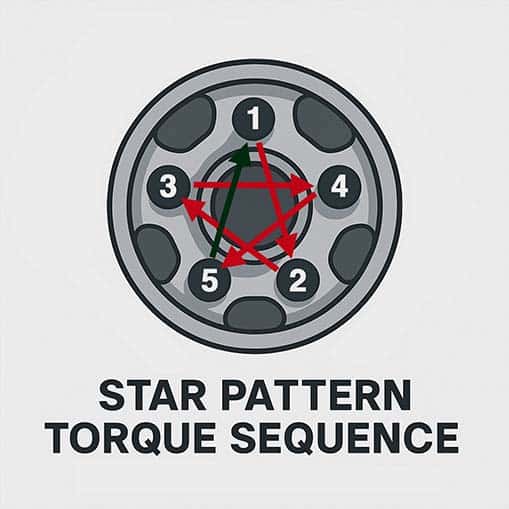
For 6-Lug Wheels (Some Heavy Duty Models):
Just remember “opposites attract” – tighten one nut, then go directly across to its partner, working your way around in a crisscross fashion.
Pro Tip: After your initial tightening, always do one more round following the same pattern. Those nuts can sometimes settle or loosen slightly after the first pass.
Ram 1500 Wheel Considerations
Ram 1500 trucks come with various wheel types and materials, including factory alloy wheels, steel wheels, and aftermarket wheels. The wheel type and material can influence the torque requirements.
Factory vs. Aftermarket Wheels
Factory Ram 1500 wheels are designed to work with specific lug nut types and torque specifications. When installing aftermarket wheels, always verify the recommended torque specifications from the wheel manufacturer because these may differ from factory recommendations.
Lug Nut Types
Ram 1500 trucks typically use one of two lug nut styles:
- Cone-type lug nuts: Feature a tapered end that matches the conical seats in many wheels.
- Flanged lug nuts: Have a flat washer-like surface that contacts the wheel.
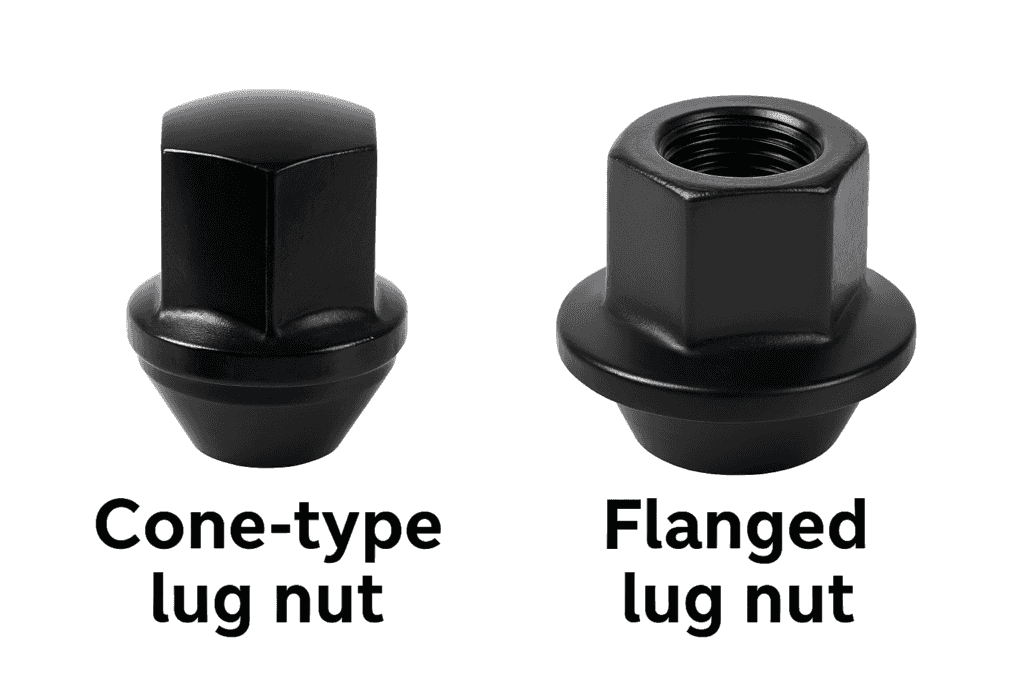
cone-and-flange-lug-nut-compared
Regular inspection of wheel components, including studs, nuts, and wheels is essential for identifying potential issues like rust, stretching, or thread damage before they lead to more serious problems.
Initial Installation Procedures
Following the correct initial installation procedures is critical for safety and performance when installing new wheels or replacing lug nuts on your Ram 1500.
If the lug nuts are stuck or difficult to remove, consider using a breaker bar after applying a penetrating lubricant to help loosen them.
Torque Specs and Requirements
For accurate torque specifications, always check your Ram 1500’s owner’s manual or verify with a qualified mechanic first. That said, here are the typical torque values (in ft-lbs) that work for most Ram 1500 models:
Ram 1500 Lug Nut Torque Specifications (ft/lb)
| Model Year | Lug Nut Type | Torque Spec (ft/lb) |
|---|---|---|
| 2014–2024 | Cone-type | 130 |
| 2014–2024 | Flanged-type | 140 |
| 2002–2013 | Cone-type | 130–135 |
| 2002–2013 | Flanged-type | 130–135 |
These specifications are consistent across various sources, including dealership recommendations and wheel manufacturers . Velgen Wheels
Example:
If you have a 2018 Ram 1500 with flanged-type lug nuts, the recommended torque is 140 ft/lb. The torque specification for a 2005 Ram 1500 with cone-type lug nuts would be 130–135 ft/lb.
It’s important to note that while earlier models (2002–2008) might have a broader range, many sources suggest a standard torque of 135 ft/lb for these years.
Note: Always ensure the lug nuts are torqued using a calibrated torque wrench and follow a star pattern sequence to guarantee even pressure. It’s also recommended to recheck the torque after driving 50–100 miles to ensure the lug nuts remain properly tightened.
Lug Nut Maintenance
Regular maintenance of your Ram 1500’s lug nuts is essential for long-term safety and performance. Here are key maintenance practices to follow:
If a lug nut is stuck, applying a penetrating lubricant can help loosen it.
Regular Inspection
Periodically inspect your lug nuts for signs of:
- Rounding or deformation
- Rust or corrosion
- Tread wear or damage
- Loosening (indicated by rust trails or marks around the nut)
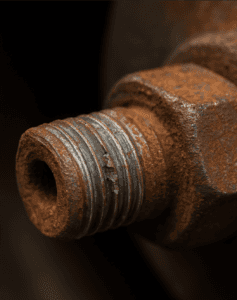
Any of these conditions warrants immediate attention and potential replacement of the affected components.
Common Torquing Mistakes to Avoid
- Using an impact gun for final tightening: Impact guns cannot provide consistent torque and often lead to over-tightening.
- Guessing or tightening by “feel”: Without a torque wrench, it’s impossible to consistently achieve the correct specification.
- Failing to follow the proper sequence: Tightening in the wrong pattern can cause uneven seating and stress.
- Skipping the re-torque after initial installation: Wheels can settle after initial driving, requiring verification of torque.
Why OEM RAM Lug Nuts Matter
Don’t cut corners with aftermarket lug nuts—your Ram 1500 deserves the real deal. OEM RAM lug nuts are precision-engineered to match your wheels perfectly, ensuring:
- Proper fit – No wobbling or uneven pressure
- Corrosion resistance – Built to last through tough conditions
- Guaranteed compatibility – No guesswork with sizing or thread pitch
At Wareing Belle Fourche CDJR, we stock genuine OEM RAM lug nuts so you get the right part every time. Stop by our parts department, and we’ll make sure your wheels stay secure with factory-approved hardware.
Because when it comes to your truck’s safety, OEM is the only way to roll.
Wrapping It Up
Getting your lug nuts right isn’t just another box to check, it’s one of those make-or-break maintenance items for your Ram 1500. Do it right, and you’re golden. Skip it, and you’re rolling the dice on safety and performance.
Here’s the golden rule: Your owner’s manual is the bible here, those torque specs are there for a reason. Grab a good quality torque wrench (no cheating with guesswork!), follow that star pattern like it’s your favorite recipe, and you’ll keep your wheels right where they belong.
Remember these key points for best performance and safety:
- Verify the correct torque specification for your specific Ram 1500 model, year, and wheel type.
- Use a properly calibrated torque wrench, not an impact gun, for final tightening.
- Follow the star pattern when tightening lug nuts to ensure an even force distribution.
- Clean threads before installation to ensure accurate torque readings.
- Re-torque lug nuts after approximately 50-100 miles following initial installation.
- Regularly inspect lug nuts for signs of loosening, damage, or corrosion.
By mastering proper lug nut torque procedures, you’re not just maintaining your truck; you’re ensuring your safety, your passengers’, and others’ safety on the road. This crucial yet straightforward maintenance task helps your Ram 1500 continue to perform safely and reliably, mile after mile.
0 comment(s) so far on Essential Ram 1500 Lug Nut Torque Specifications You Need to Know