





Ram 1500 vs. 2500 vs. 3500 Comparison | Which Ram Truck Do You Need?
Ram Truck Comparison
Ram Truck Comparison: 1500 vs. 2500 vs. 3500 – Which Ram Truck Do You Actually Need?
Choosing the right Ram truck can get confusing fast. Here is the plain-English version: daily driver, heavy-duty worker, or serious hauler.
Ram 1500
Best for daily driving, comfort, family use, and light towing.
Ram 2500
Best for heavier trailers, tools, equipment, and serious work use.
Ram 3500
Best for maximum payload, fifth-wheel trailers, gooseneck towing, and commercial work.
Choosing the right Ram truck can get confusing fast. On the surface, it seems simple. Bigger number, bigger truck. Done.
Not quite.
The Ram 1500, Ram 2500, and Ram 3500 are built for different jobs. The Ram 1500 is the light-duty truck made for daily driving, family use, light towing, and comfort. The Ram 2500 is a heavy-duty work truck built for bigger trailers, loaded beds, and harder use. The Ram 3500 is the serious hauler, built for maximum payload, high towing capacity, fifth-wheel trailers, gooseneck towing, and commercial equipment.
This Ram truck comparison breaks it down in plain English so you can decide which model actually fits your life, your trailer, your budget, and your tolerance for parking large metal objects in normal human spaces.
Ram Truck Model Comparison: 1500 vs. 2500 vs. 3500
The Ram truck lineup is split into light-duty, heavy-duty, and commercial-focused models. For most shoppers, the main comparison comes down to the Ram 1500, Ram 2500, and Ram 3500.
The Ram 1500 is the light-duty model. It is built for daily driving, family use, light towing, and better ride quality. It uses a lighter chassis and more comfort-focused suspension, which makes it easier to live with every day. The available 3.6L Pentastar V6 helps improve fuel efficiency, while other engine options give buyers more power when they need it.
The Ram 2500 moves into heavy-duty truck territory. It has a stronger chassis, heavier-duty suspension, and available commercial-grade engines built for harder work. This is the better choice for drivers who tow heavier trailers, carry tools or equipment, or need a serious work truck without jumping all the way to the Ram 3500.
The Ram 3500 is the highest-capability pickup in this comparison. It is designed for maximum payload, extreme towing, fifth-wheel trailers, gooseneck trailers, and commercial use. When properly equipped, the current Ram 3500 can tow up to 36,610 lbs and handle up to 7,590 lbs of payload, depending on configuration.
The primary difference between these Ram trucks comes down to classification, chassis design, suspension setup, powertrain technology, payload, and towing capacity. The Ram 1500 focuses on comfort and everyday usability. The Ram 2500 and Ram 3500 focus more on heavy-duty performance, with the Ram 3500 offering the highest towing and payload ratings in the lineup.
Ram trucks are also available in several trim levels, including work-focused options like Tradesman, more comfortable trims like Big Horn and Laramie, and premium trim levels like Limited and Limited Longhorn. The right trim package depends on whether you want a basic work truck, a family-friendly daily driver, or a luxury towing setup.
| Model | Best For | Personality | Watch-Out |
|---|---|---|---|
| Ram 1500 | Daily driving, comfort, light towing | Smoothest and easiest to live with | Not built for the biggest trailers |
| Ram 2500 | Heavier towing, tools, work use | The middle-ground work truck | Diesel payload can surprise buyers |
| Ram 3500 | Fifth-wheel, gooseneck, commercial loads | The serious hauler | Can be more truck than daily drivers need |
Ram 1500: Best for Daily Driving and Light Towing
The Ram 1500 is the half-ton truck in the Ram lineup. For most drivers, this is the truck that makes the most sense. It has a smoother ride, better fuel economy, easier parking, and enough towing capacity for many campers, boats, utility trailers, and weekend projects.
It is a good fit for family use, daily driving, lighter equipment, and buyers who want a truck that still feels comfortable on the road. The Ram 1500 uses a different platform than the heavy-duty models, with rear coils or available air suspension that help improve ride quality. That is a real point in its favor if you spend more time driving than hauling.
The Ram 1500 lineup can include engines like the 3.6L Pentastar V6 with eTorque, 5.7L HEMI V8 with eTorque, 3.0L Hurricane inline-six options, the Ramcharger hybrid setup, and the Ram 1500 REV electric model.
The Ram 1500 is not the hardest-working Ram truck, but it is the one many people will enjoy living with. It gives you a good mix of comfort, capability, and value without forcing you into a larger truck than you need.
Ram 2500: Best for Heavier Towing and Work Truck Use
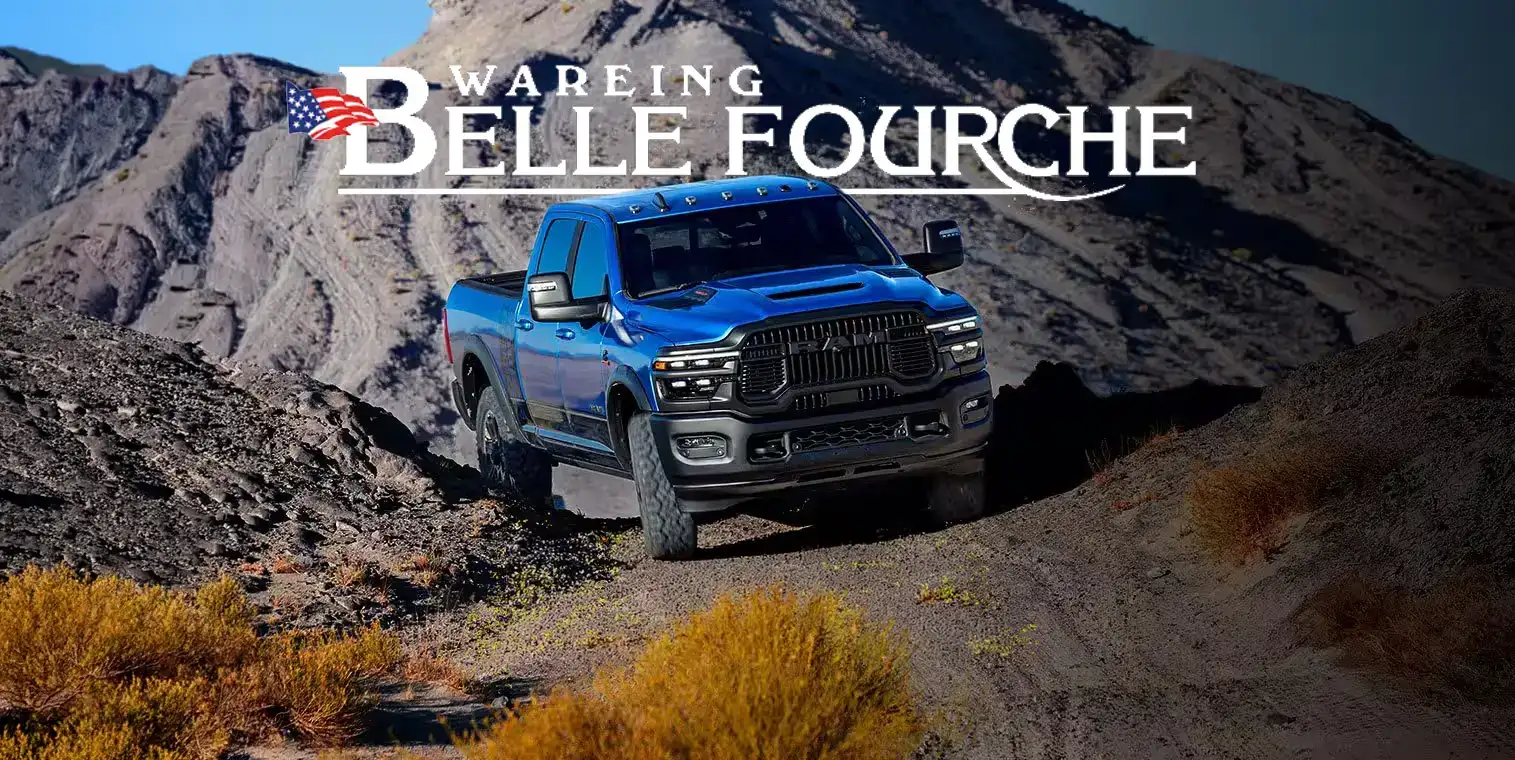
The Ram 2500 is where the lineup gets more serious. This truck is built for heavier towing, jobsite use, loaded beds, service bodies, and buyers who need more strength than a Ram 1500.
This is the truck to look at if you pull a larger trailer, carry tools, haul equipment, or need a real work truck. It gives you more towing capacity and more payload than the Ram 1500, depending on the configuration.
The Ram 2500 comes with the 6.4L HEMI V8 gas engine or the 6.7L Cummins diesel. The HEMI is a strong choice if payload matters most. The diesel is better when towing heavy trailer loads over long distances.
Here is where things get a little annoying, as trucks like to do.
A diesel Ram 2500 can pull more, but it may carry less. The Cummins diesel engine is heavier, which reduces the remaining payload under the truck’s rating. The research shows a Ram 2500 with the 6.4L HEMI V8 can reach up to 4,420 pounds of payload. A Ram 2500 with the 6.7L Cummins diesel can drop to around 2,740 pounds of payload, even though towing capacity rises to 20,000 pounds.
That is a big difference.
The Ram 2500 is a smart middle ground for a lot of buyers. It is stronger than a Ram 1500, but not as extreme as a Ram 3500.
Ram 3500: Best for Maximum Payload and Towing
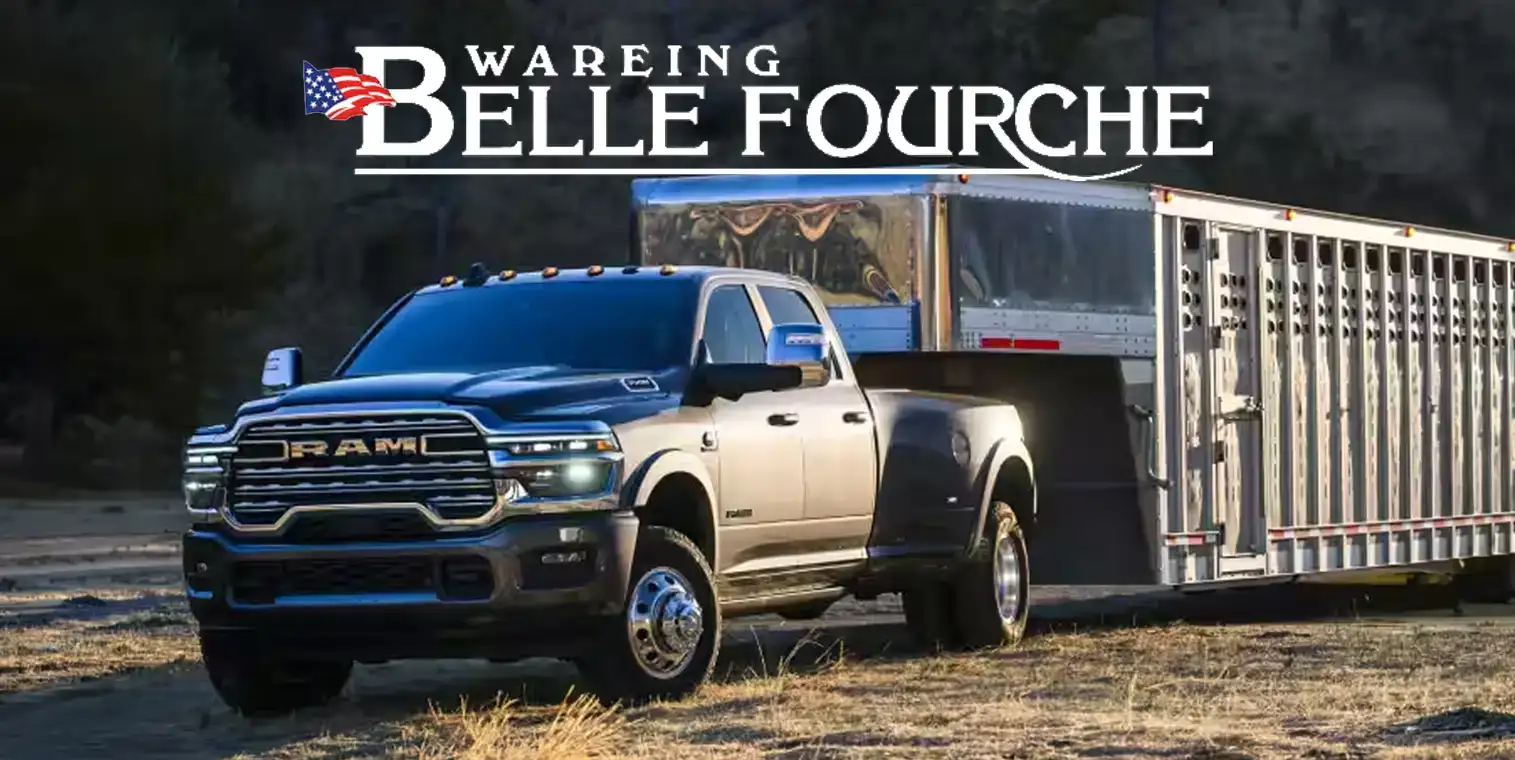
The Ram 3500 is the truck for buyers who need maximum capability. This is the one for large fifth-wheel campers, gooseneck trailer setups, heavy commercial equipment, dual rear wheel models, and serious payload needs.
The Ram 3500 has stronger frames, leaf springs, and heavier-duty components built for demanding towing and hauling. It is not just a bigger Ram 2500. It is built for a different job.
Depending on configuration, the current Ram 3500 can tow up to 36,610 pounds and handle payload up to 7,590 pounds.
That kind of towing capacity matters when you are dealing with larger trailer setups, high tongue weight, heavy cargo, and commercial work. If you are pulling a fifth-wheel or gooseneck trailer, payload can become the problem before towing capacity does.
The Ram 3500 is the right choice when you need towing and payload at the same time. For lighter use, it may be more truck than you need. For heavy work, it may be the truck that saves you from buying twice.
Gas vs. Diesel: Which Ram Engine Should You Pick?
Gas and diesel both have a place. The right answer depends on how you use the truck.
Gas is usually better if you care about payload, price, insurance, simpler maintenance, and lower ownership costs. A gas Ram truck can be a better fit for local work, bed cargo, tools, and equipment.
Diesel is usually better if you tow heavy trailer loads often. A Cummins diesel gives you strong low-end torque, better control under load, and exhaust braking for downhill towing.
The standard-output Cummins diesel produces 850 lb-ft of torque, and the High Output Cummins in the Ram 3500 can produce up to 1,000 to 1,075 lb-ft depending on the model.
Choose gas if you:
- Want more payload
- Want a lower price
- Want simpler ownership
- Mostly haul equipment in the bed
- Do not tow heavy every day
Choose diesel if you:
- Tow heavy trailer loads often
- Drive longer distances under load
- Need strong pulling power
- Want exhaust braking
- Plan to use a Ram 3500 for serious towing
Diesel sounds like the obvious answer, but it is not always the smartest buy. Sometimes the gas truck is the better work truck. Annoying, but true.
Towing Capacity vs. Payload
Towing capacity gets most of the attention. Payload is the number buyers often miss.
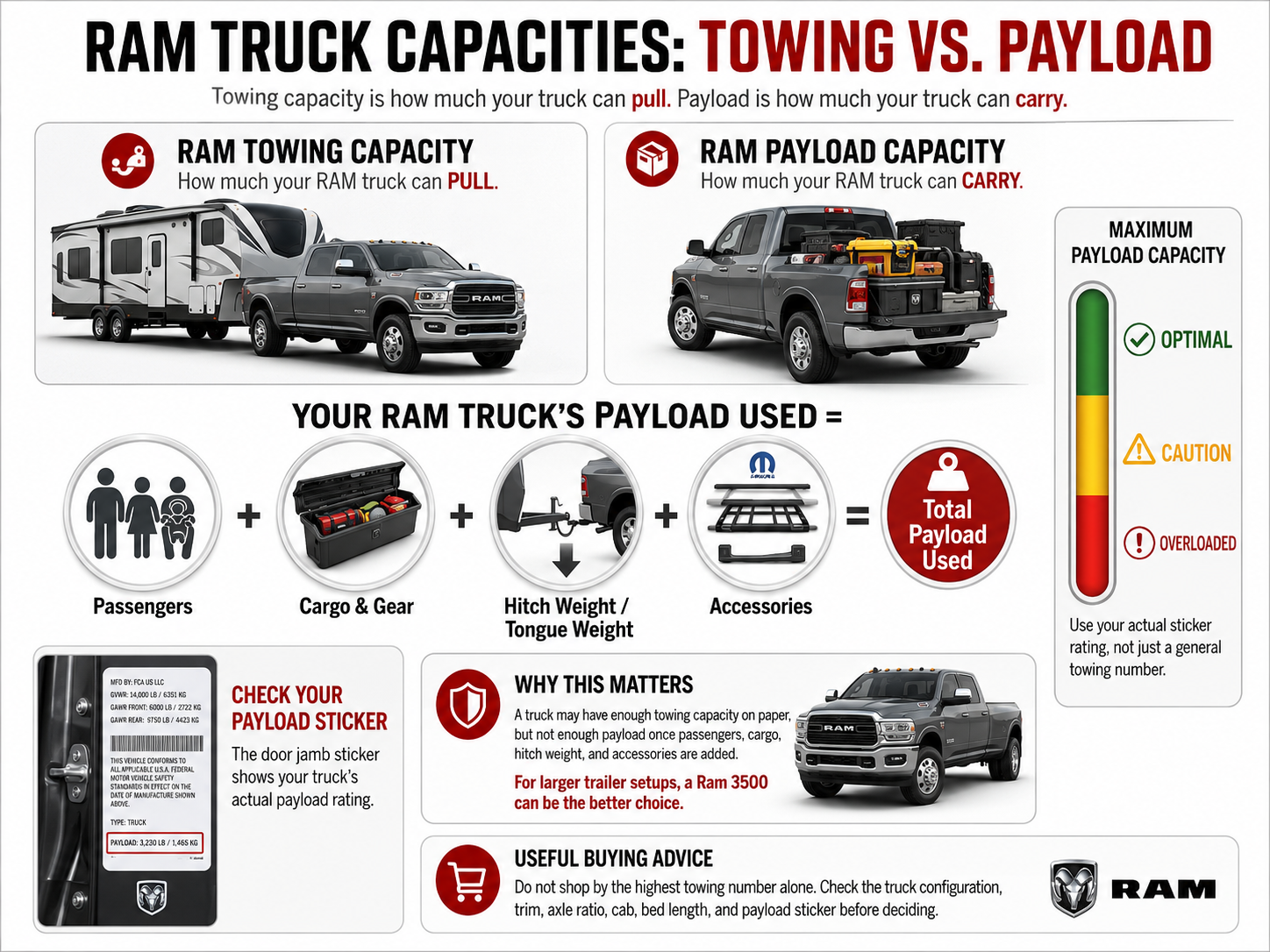
Towing capacity is how much a truck can pull. Payload is how much a truck can carry.
Payload includes passengers, tools, cargo, accessories, hitch weight, and tongue weight. That matters a lot with fifth-wheel and gooseneck trailers.
A truck might have enough towing capacity on paper, but not enough payload once the trailer, people, gear, and hitch weight are added. This is one reason a Ram 3500 can be the better choice for larger trailer setups.
If you are shopping at a dealer, do not just search for the highest towing number on the website and call it good. Check the actual truck configuration, trim package, axle ratio, cab, bed length, payload sticker, and trailer needs.
That is the boring advice. It is also the useful advice, which is usually how boring advice works. Rude little system.
Trim Levels, Ride Quality, and Comfort Features
Ram trim levels can change the feel, price, and purpose of the truck. A Tradesman is built more like a practical work truck. Big Horn, Laramie, Rebel, Limited, Limited Longhorn, Tungsten, and other trim levels add more comfort, technology, luxury, off-road features, or premium materials.
A trim package can make a Ram feel very different from another Ram, even when the basic truck platform is similar.
For example, a Tradesman Ram 2500 with the gas HEMI may be aimed at work use. A Limited Longhorn Ram 3500 with the diesel may feel more like a luxury towing rig. Same brand. Very different buyer.
Trim levels can affect:
- Price
- Interior feel
- Technology
- Towing features
- Safety features
- Resale
- Insurance
- Comfort
- Available package options
This is where a good dealer site should make the search easier. If a website has strong inventory filters, helpful title tags, useful answers, clear contact options, and direct links to each trim, buyers can decide faster and avoid guessing.
Wild concept: websites helping people. Future stuff.
Which Ram Truck Should You Buy?
Choose the Ram 1500 if you want the best everyday truck. It is comfortable, smoother, easier to drive, and still capable enough for light towing, family use, and weekend projects.
Choose the Ram 2500 if you need a stronger work truck for heavier towing, loaded beds, tools, equipment, and diesel power without moving all the way up to a Ram 3500.
Choose the Ram 3500 if you need maximum towing capacity, maximum payload, high tongue weight support, dual rear wheels, a larger trailer setup, or the High Output Cummins diesel.
The half-ton Ram 1500 is the daily driver. The Ram 2500 is the harder-working middle option. The Ram 3500 is the serious hauler.
The best Ram truck is not always the biggest one. It is the one that fits the job, the road, the trailer, the budget, and the way you actually plan to use it.
Compare Ram Trucks in Belle Fourche
Browse current Ram 1500, Ram 2500, and Ram 3500 inventory, then compare the actual payload sticker, trim, axle ratio, and towing equipment before you buy.
FAQ: Ram 1500 vs. Ram 2500 vs. Ram 3500
What is the biggest difference between the Ram 1500, 2500, and 3500?
The biggest difference is capability. The Ram 1500 is best for daily driving and light towing. The Ram 2500 is better for heavier towing and work truck use. The Ram 3500 is built for maximum towing capacity, payload, and large trailer setups.
What are the main differences between Ram truck models?
The main differences between Ram truck models are classification, chassis strength, suspension design, engine options, towing capacity, payload, and trim levels. The Ram 1500 is a light-duty truck built for comfort and everyday use. The Ram 2500 and Ram 3500 are heavy-duty trucks built for larger trailers, heavier payload, and tougher work. The Ram 3500 offers the highest towing and payload capability.
Is the Ram 2500 better than the Ram 1500?
The Ram 2500 is better if you need more towing and payload. The Ram 1500 is better if you want a smoother ride, better fuel economy, and a truck that feels easier to drive every day.
Should I buy a gas or diesel Ram truck?
Buy gas if payload, price, and simpler ownership matter most. Buy diesel if you tow heavy often, need stronger pulling power, or want diesel exhaust braking.
Why does the diesel Ram 2500 have less payload?
The diesel engine is heavier. That extra weight reduces how much payload the truck can legally carry, even though the diesel can increase towing capacity.
Which Ram truck is best for towing a large trailer?
The Ram 3500 is usually the best choice for a larger trailer, especially a fifth-wheel or gooseneck. It gives you higher payload, higher towing capacity, and better support for tongue weight.
Is the Ram 3500 too much truck for daily driving?
For many buyers, yes. It can be driven every day, but the Ram 3500 is built for hard towing, heavy payload, and commercial equipment. If you do not need that, the Ram 1500 or Ram 2500 may feel nicer and cost less to own.
0 comment(s) so far on Ram 1500 vs. 2500 vs. 3500 Comparison | Which Ram Truck Do You Need?