





Ram EcoDiesel, A Look at Its Run and Impact.
The Ram EcoDiesel seemed like the answer to many truck owners’ needs when it was introduced in 2014. The balance of performance, fuel economy, and managing emissions was attractive for many people.
However, sometimes things change, and the market shifts. You’ll learn what happened with the Ram EcoDiesel and what that means for truck buyers today.
 The Rise of the Ram EcoDiesel
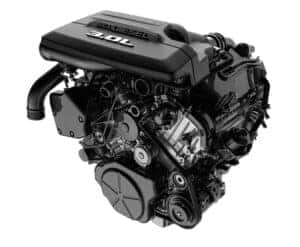
The EcoDiesel engine first appeared in Ram 1500 trucks. It offered a 3.0-liter V-6 design.
This engine option brought something different to the market. The light-duty truck segment needed a balance between capability and efficiency. Truck owners often feel the pull between capability and efficiency.
Key Specs and Features
At its launch, the EcoDiesel generated 240 horsepower and 420 lb-ft of torque. These numbers allowed for impressive towing, especially for a half-ton pickup.
The engine was a VM Motori L630. Fuel economy was a significant selling point, with some models reaching up to 28 mpg on the highway.
| Specification | Details |
|---|---|
| Engine | 3.0L V6 |
| Horsepower | 240 hp @ 3,600 RPM |
| Torque | 420 lb⋅ft @ 2,000 RPM |
| Transmission | ZF 8HP70 eight-speed automatic |
| Fuel Economy (Estimate) | 20 mpg city, 28 mpg highway |
The engine also featured a forged steel crankshaft for added strength. The connecting rods were also made of forged steel, which enhanced durability.
Meeting Emissions Standards
The EcoDiesel didn’t just aim for power, it also included advanced technology.
This included selective catalytic reduction (SCR) and diesel exhaust fluid (DEF) systems. These features worked to minimize nitrogen oxide (NOx) emissions.
EcoDiesel’s Impact and Popularity
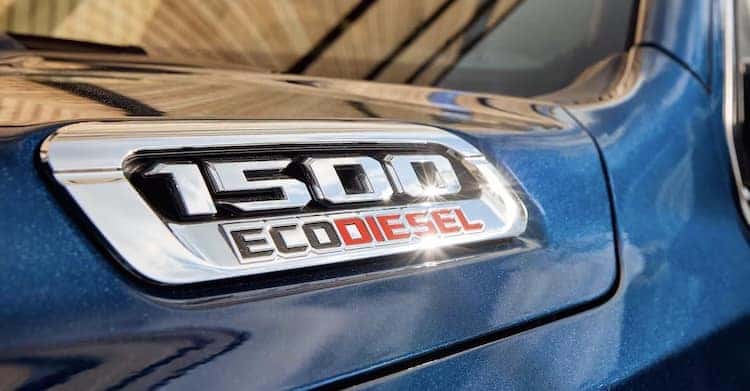
The Ram 1500 EcoDiesel quickly gained attention. It received several awards, including recognition from the Environmental Protection Agency (EPA).
Truck owners loved the blend of power and savings at the pump. This engine also filled a gap, as there had not been many diesel engine options in half-ton pickups for years.
Real-World Benefits
Many drivers appreciated that they could tow heavy loads without constantly stopping for fuel. The higher torque at lower RPMs made a difference, especially when hauling or climbing hills.
It was about practical use. It showed diesel engines could work well in everyday trucks.
The Emissions Controversy
In 2015, the diesel world experienced increased regulatory scrutiny. This began impacting the EcoDiesel’s path because the EPA started investigating multiple diesel models, including those from Stellantis.
By January 2017, the EPA and California regulators gave a “Notice of Violation” to Fiat Chrysler Automobiles (FCA). This notice referred to concerns with excessive nitrogen oxides released into the air. FCA CEO, Sergio Marchionne denied any deliberate wrongdoing or comparison to previous diesel scandals.
The 2019 Settlement
Fiat Chrysler reached a settlement with the U.S. Justice Department in 2019. This agreement pertained to over 100,000 vehicles from model years 2014-2016.
The terms were specific, with FCA having to fix at least 85% of these vehicles within two years. Payments went out to owners who received an engine software update to resolve emissions, but some users later found issues with this initial fix.
The Second Generation EcoDiesel
Fiat Chrysler made changes and introduced a redesigned EcoDiesel in 2019 for the 2020 Ram 1500. The brand announced updates that affected around 80% of the engine’s components. This meant new aluminum cylinder heads and revisions to the combustion system.
Horsepower and torque increased. A Ram 1500 with the updated engine could have a payload of 2,040 pounds and a towing capacity of 12,560 pounds.
Improvements and Changes
This new engine addressed efficiency in different ways. Its new exhaust gas recirculation system tried to get more from the turbocharger.
All these changes couldn’t totally overcome shifts in the market. Ram had plans and had to adapt.
The End of the Ram EcoDiesel
In September 2022, Ram shared important news. They decided that the EcoDiesel would stop production in January 2023.
The 2023 model year became the last for this particular engine. This decision was part of a move to electric trucks.
Shifting Focus to Electric
Ram executives openly talked about an “electrified future.” The discontinuation of the 1500 EcoDiesel 3.0-Liter V-6 engine was tied to a new direction. The Ram brand wants to enter the electric truck market, which follows wider automotive industry patterns.
Ram brand CEO, Mike Koval Jr. reflected on what the EcoDiesel had achieved. He noted its “highest half-ton diesel torque rating” and “towing capability,” which had built a base of fans.
The Legacy of the Ram EcoDiesel
The EcoDiesel left its mark by showing that a diesel engine could fit into a modern half-ton truck. People still search search for the balance of capability and fuel efficiency it provided.
Some might say that the story isn’t fully finished. Other automakers continue to make and develop truck designs and technologies.
Impact on the Truck Market
The EcoDiesel influenced competitors. Even if the Ram EcoDiesel run was not incredibly long, it pushed innovation, and truck makers want choices.
The market shifts. But what people remember about having a diesel engine that works, lingers.
What Comes Next?
With Ram moving towards electric vehicles, truck enthusiasts have new things to think about. Some will miss the features the diesel provided, while others welcome the possibilities.
“As we quickly pivot toward an electrified future, we wanted to celebrate this last EcoDiesel milestone by offering our loyal light-duty diesel enthusiasts a final opportunity to order the truck they love,” said Ram brand CEO – Stellantis, Mike Koval Jr.
MotorTrend
Considering Alternatives
The future has various options on the table. Some might involve hybrid setups, different fuels, or full electric trucks.
Each buyer weighs the pros and cons. There is not an option that contains everything for everyone.
Conclusion
The Ram EcoDiesel holds a special place in the recent history of pickup trucks. While the EcoDiesel model is no longer in production, its story is important.
The ecodiesel engine delivered a blend of fuel efficiency and power. This was particularly notable with its impressive torque, peaking at 480 lb-ft in later iterations. This diesel engine option helped pave the way by showing a full-size pickup could be both capable and have great highway fuel economy.
It is worth considering how Ram leads with electric and future developments. All Chrysler Dodge Jeep Ram brands are subject to change as they are all working towards a greener tomorrow. A test drive in any of the Ram brand vehicles can show someone a lot and allow a customer to find exactly what is best for them, no matter what engine is under the hood.
0 comment(s) so far on Ram EcoDiesel, A Look at Its Run and Impact.